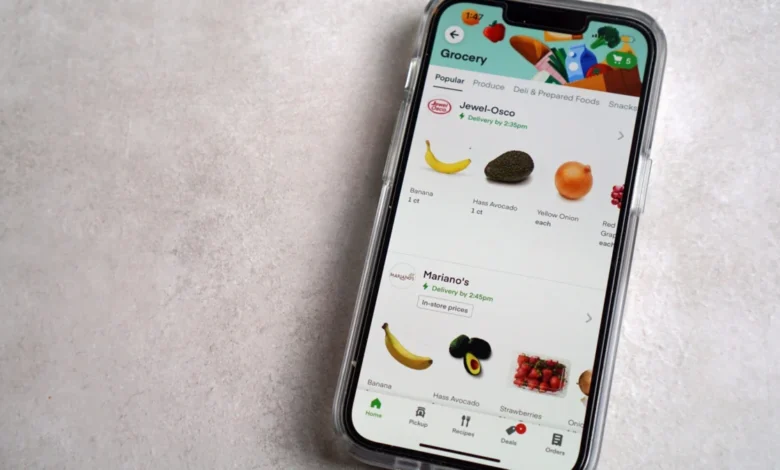
Instacart, a leading grocery technology company in North America, has significantly advanced its artificial intelligence (AI) and connected stores strategy with the acquisition of Arpalus, a pioneering computer vision firm. This strategic move aims to directly address prevalent pain points in online grocery delivery, primarily undetected out-of-stocks and catalog gaps, which are major contributors to customer dissatisfaction. By integrating Arpalus’s real-time shelf information technology, Instacart intends to enhance order accuracy, improve shopper efficiency, and deepen its value proposition for retail and brand partners. The terms of the deal were not publicly disclosed.
The acquisition underscores Instacart’s commitment to leveraging advanced AI to bridge the divide between the digital and physical grocery shopping experiences. Arpalus specializes in developing sophisticated computer vision technology that transforms video footage of store shelves into actionable data on product availability. This capability is poised to be integrated directly into the Instacart shopper application, enabling the company’s vast network of approximately 600,000 shoppers to contribute to a real-time, dynamic inventory system while fulfilling orders.
David McIntosh, Instacart’s Chief Connected Stores Officer, emphasized the strategic importance of this integration, stating, "With our leadership in Physical AI for grocery retail and by activating our network of shoppers, we can feed even more accurate shelf information back into our models, delivering better outcomes for customers, shoppers, and our retail and brand partners." This vision of "Physical AI" represents Instacart’s ambition to create a seamless, data-driven ecosystem that optimizes every aspect of the grocery retail experience, from inventory management to personalized customer service.
Addressing the Critical Challenge of Out-of-Stocks
The rapid expansion of online grocery shopping, significantly accelerated by global events in recent years, has brought to the forefront the complexities of managing inventory in a dual physical and digital environment. Out-of-stock (OOS) incidents are a persistent and costly problem for retailers, leading to lost sales, reduced customer loyalty, and operational inefficiencies. Industry reports frequently cite that OOS rates in grocery can range from 5% to 8%, translating into billions of dollars in lost revenue annually for the sector. For online grocery, the impact is often more immediate and frustrating for consumers, who expect their digital orders to be fulfilled precisely as placed. Substitutions or cancelled items due to unavailability can severely diminish customer satisfaction and trust in a delivery service.
Instacart’s existing operational model already generates a colossal amount of data. The company processes over 1.6 billion lifetime orders and gleans real-time inventory insights from nearly 100,000 stores across North America. Its extensive shopper network contributes more than 10 million unique daily data points through activities such as item picking and substitution handling. However, even with this robust data infrastructure, accurately tracking real-time shelf availability across thousands of diverse stores remains a formidable challenge. This is precisely where Arpalus’s specialized computer vision technology offers a transformative solution.
The Advanced Technology Behind Arpalus
Arpalus’s computer vision technology stands out due to its specific design for the unique and often challenging environment of grocery stores. Unlike generic computer vision systems, Arpalus’s solution is engineered to function reliably despite inconsistent lighting conditions, which can vary significantly across different aisles and times of day. Furthermore, it is built to operate effectively even with unreliable in-store Wi-Fi connectivity, a common issue in large retail spaces that can hinder real-time data transmission.
A crucial capability of Arpalus’s technology is its ability to accurately differentiate between similar products that are frequently shelved together, such as different flavors of the same brand of yogurt or subtle variations in packaging for produce. This level of granular distinction is vital for maintaining high order accuracy. According to Instacart’s press release, Arpalus’s system boasts an average accuracy rate of 95% in identifying products on shelves. This precision is critical for empowering Instacart shoppers to locate items more efficiently, thereby minimizing the need for substitutions or refunds, which ultimately enhances the overall customer experience.
The integration process will see Arpalus’s sophisticated algorithms embedded into the Instacart shopper app. This means that as shoppers navigate aisles to pick items for customer orders, their devices can passively or actively capture shelf imagery. This visual data is then processed by Arpalus’s AI to provide instant, highly accurate information about product presence, quantity, and placement. This real-time feedback loop will significantly improve the accuracy of inventory data available to both Instacart and its retail partners, ensuring that what customers see online is a true reflection of what is physically available in the store.
Broader Strategic Implications for Instacart’s Connected Stores Vision
The acquisition of Arpalus extends beyond merely improving order fulfillment; it is a pivotal component of Instacart’s broader strategic push into connected retail technology and its aspiration to become the foundational operating system for grocery stores. This move aligns with Instacart’s evolution from primarily a consumer-facing delivery service to a comprehensive enterprise solutions provider for retailers.
One of the key beneficiaries of this acquisition is Instacart’s ‘Store View’ solution, a computer vision platform introduced in 2025, designed to furnish retailers with enhanced visibility into their store conditions. Store View is a core offering within Instacart’s AI Solutions business. The rich, real-time shelf data generated by Arpalus’s technology, facilitated by Instacart’s shopper network, will provide a continuous stream of accurate information to Store View. This will enable retailers to gain unprecedented insights into planogram compliance, shelf availability, promotional displays, and potential merchandising issues, allowing for proactive adjustments and optimized in-store operations.
Furthermore, Arpalus’s technology will bolster Instacart’s ‘Caper Carts,’ smart shopping carts equipped with cameras, sensors, and AI capabilities that offer in-store insights as customers traverse aisles. Caper Carts are currently deployed in several prominent retailers, including Kroger, Schnucks, and ShopRite. The integration with Arpalus could potentially enhance the Caper Carts’ ability to recognize products, track inventory, and provide more accurate recommendations or navigation assistance to in-store shoppers, further blurring the lines between online and offline shopping experiences. This synergistic approach reinforces Instacart’s vision of creating an "omnichannel" ecosystem where every touchpoint, from online browsing to in-store purchasing, is intelligent and seamlessly connected.
A Chronology of Instacart’s Strategic Growth and Partnerships
Instacart’s acquisition of Arpalus is the latest in a series of strategic initiatives aimed at solidifying its position as a dominant force in grocery technology. The company has been systematically expanding its enterprise offerings and forging key partnerships.
- 2021-2022: Instacart made significant strides in its enterprise platform strategy, notably acquiring Caper AI in 2021, which brought the smart Caper Carts into its portfolio. This acquisition marked a clear pivot towards providing comprehensive technology solutions for retailers, moving beyond just delivery logistics.
- 2023-2024: The company continued to invest heavily in its AI capabilities and expanded its "Instacart Platform," a suite of white-label e-commerce and fulfillment solutions for grocers. This period saw a heightened focus on leveraging data and artificial intelligence to solve complex retail challenges.
- 2025: Instacart introduced its ‘Store View’ computer vision solution, designed to offer retailers granular visibility into store operations and inventory. The Arpalus acquisition directly supports and enhances this offering.
- April 2026: Aldi U.S., one of the nation’s fastest-growing grocery retailers, announced an exclusive partnership with Instacart for its e-commerce fulfillment. This agreement positioned Aldi as one of over 380 retailers leveraging Instacart’s ‘Storefront Pro’ enterprise grocery platform, underscoring Instacart’s growing market penetration among major grocers.
- July 2026: Tractor Supply, a leading rural lifestyle retailer, joined the Instacart Marketplace. This partnership enabled one-hour delivery for Tractor Supply’s full product assortment, available through the retailer’s website and app via Instacart. This expansion into non-traditional grocery segments highlights Instacart’s ambition to broaden its delivery ecosystem.
These partnerships and technological investments illustrate Instacart’s strategic trajectory: to become an indispensable technology partner for a diverse range of retailers, offering end-to-end solutions that span online ordering, fulfillment, and in-store operations.
Industry Reactions and Future Outlook
While specific statements from Arpalus leadership regarding the acquisition were not immediately available, the integration into Instacart signifies a strategic alignment that could rapidly scale Arpalus’s innovative technology across a vast network.
Retail industry analysts view this acquisition as a significant move by Instacart to solidify its position beyond mere delivery services, transforming it into a crucial infrastructure provider for the future of grocery retail. "This acquisition is a smart play by Instacart to tackle one of the most persistent and costly problems in online grocery: inventory accuracy," commented a leading e-commerce analyst. "By empowering their massive shopper network with advanced computer vision, Instacart isn’t just improving its own service; it’s offering a scalable solution that could redefine inventory management standards for the entire industry. This move deepens their relationships with retailers by providing tangible operational efficiencies and a better customer experience."
The implications extend to the competitive landscape as well. By owning and integrating such advanced computer vision capabilities, Instacart creates a significant differentiator against other delivery platforms and even against retailers attempting to build similar in-house solutions. The ability to collect and leverage real-time shelf data at scale provides a competitive edge in terms of efficiency, customer satisfaction, and the data insights offered to brand partners for merchandising and promotions.
Looking ahead, Instacart faces the challenge of seamlessly integrating Arpalus’s technology across its diverse retail partners and ensuring consistent performance across various store formats and operational procedures. Questions of data privacy and the management of vast amounts of visual data will also be paramount. However, the potential benefits—reduced food waste, optimized labor, enhanced customer loyalty, and increased profitability for retailers—are substantial. This acquisition marks a pivotal moment in Instacart’s journey to build a truly connected, intelligent grocery ecosystem, positioning it at the forefront of retail innovation.